
Research
ON THIS PAGE
About
Research at IIHS asks the following questions:
Key Focus Areas
Governance and Land
Our work on urban governance, law and land takes a political economy view of urban and metropolitan governance, decentralisation, law and urban institutions, and land and environmental governance.
The work focuses on urban and metropolitan governance, decentralisation, urban institutions and stakeholders, as well as the political economy of urban land and planning, including planning and governance of mega-infrastructure projects, such as industrial corridors. It works on land acquisition, rehabilitation, resettlement, and land records modernisation. Its work also focuses on environmental governance and urban resource flows.
Employment and Livelihoods
Our work on employment and livelihoods focuses on decent work, quality of work, and employment-intensive growth, digital economy, industrial transitions, domestic and home-based work, maternal and childcare practices, and technology and work.
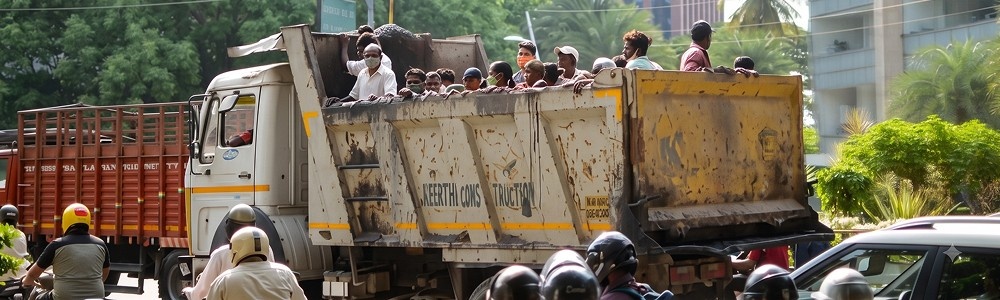
The research focuses on digital platforms and the informal urban economy. It works on social protection and employment guarantee programmes for all workers, as well as employment-intensive urban development pathways. Its work also focuses on improving the quality of informal work and workers’ welfare, including childcare for informal workers.
Urban Inequality
Our work on urban inequality and social identity spans multiple themes, including housing, health, education, food, water and sanitation, migration, and their intersections with economic, caste, gender, spatial, and climate justice.
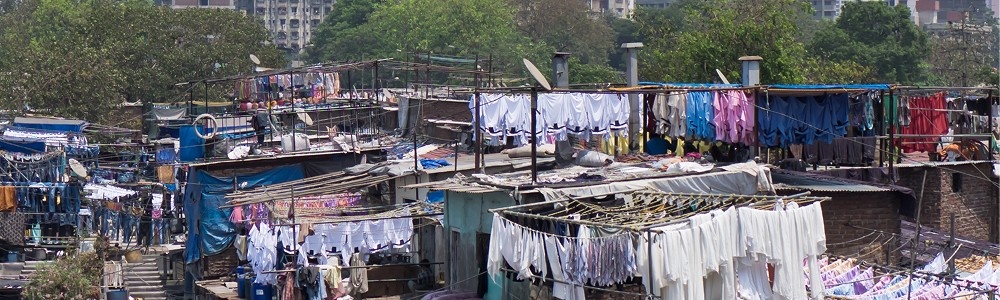
The work focuses on housing, evictions, rights and citizenship, and social and economic exclusion, including health and the impact of the COVID-19 pandemic. It works on migration, social identities, and climate adaptation. Its work also focuses on institutional capabilities and educational inequality.
Health
Our work on health focuses on urban and public health systems, informal work, and maternal and childcare practices; health-seeking behaviour of the urban poor, especially around non-communicable diseases; and climate change and health.
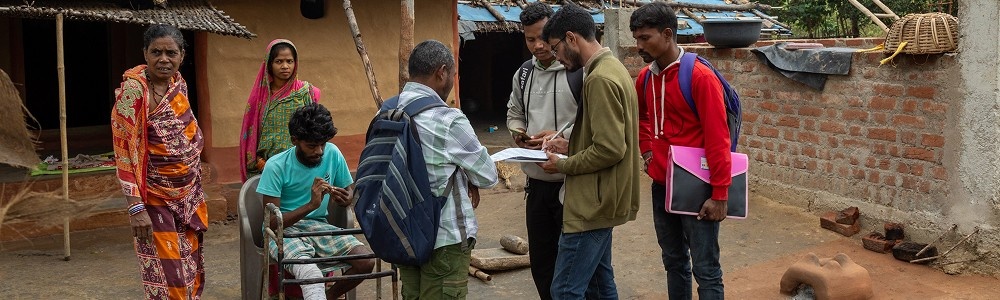
The research focuses on the design, functioning and governance of urban public health systems, and non-communicable disease care-seeking and treatment regimens. It works on informal work, maternal and childcare practices, nutritional security, as well as occupational health and well-being. Its work also focuses on climate change and health.
Housing
Our work on housing spans key themes ranging from policy and public programmes, rights and justice, affordable and rental housing, informal settlements and slum redevelopment, and the influence of urban planning on housing access.
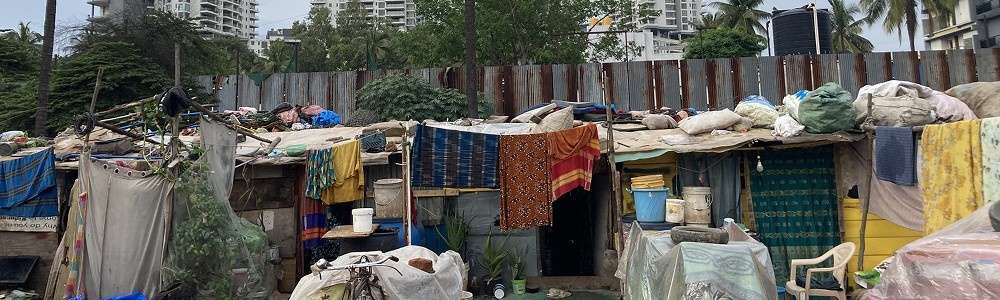
The research focuses on housing policy and affordable programme design across diverse types and segments, as well as housing rights and justice, and inclusive planning processes. It works on the development of inclusive rental housing markets. Its work also focuses on in-situ upgradation of informal settlements and slums.
Water and Sanitation
Our work on water and sanitation spans urban and rural water systems, and basic service delivery; sanitation, septage, and wastewater treatment; local, national, and global water policy and governance; and hygiene and behaviour change.

The research focuses on urban water and sanitation practices, policy, and governance in India, including blue infrastructure, and services such as groundwater and tank regulation, irrigation management, and water supply. It works on addressing the global water crisis and the economics of water, and basic services delivery to poor and informal settlements. Its work also focuses on urban WASH, hygiene promotion, and behavioural change.
Energy
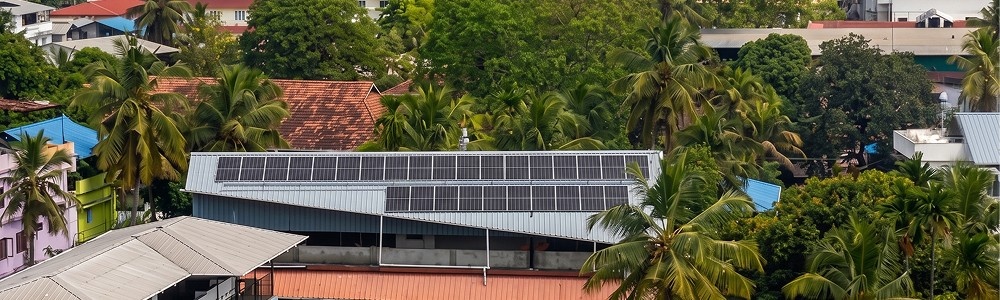
Our work on energy focuses on the dynamics of clean energy transitions, from the local to the national scale. This work is anchored around SDG 7 (access to clean and affordable energy). It explores appropriate governance, institutional, financial, and regional development interventions that can accelerate climate-resilient development.
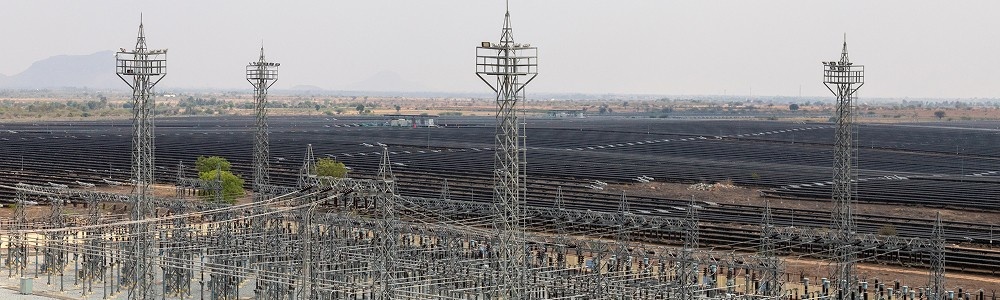
The research focuses on options and enabling conditions for climate-aligned energy system transitions across diverse policy imaginations, infrastructure configurations, and social equity outcomes. It works on the feasibility and effectiveness of just energy transitions and integration into development finance, as well as renewable energy dynamics across utility, city, regional, and national scales. Its work also focuses on green buildings, operational efficiency, and innovation.
Food Systems
Our work on food systems and agriculture spans food and nutrition security, ecological and water security, informal urban food economy, urban and peri-urban agriculture, agrarian change, and the role of small farmers and organic agriculture in enabling sustainability and economic viability.
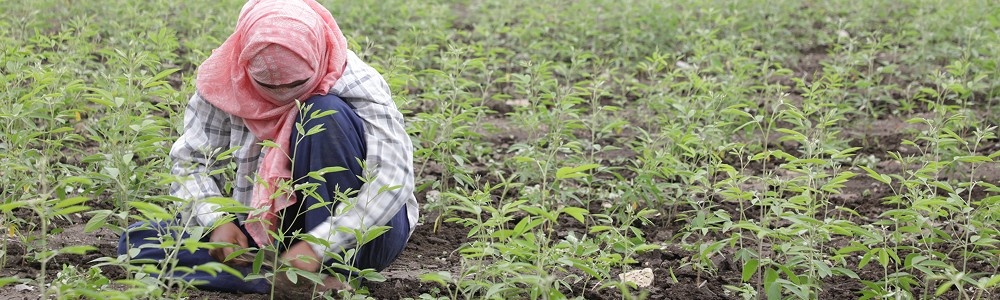
The research focuses on informal and formal urban food economies and inclusive development, including regulation and building infrastructure for food and nutrition security at the margins. It works on promoting sustainable food practices, urban and organic agriculture, particularly via nature-based solutions, as well as biodiversity-friendly urban food gardens. Its work also focuses on experiments with co-production pathways across the science–policy–practice–citizen interface.
Ecosystems
Our work on ecosystems spans semi-wild to urban ecosystems and associated human settlements with an emphasis on policy relevant at local, regional, national, and global scales.

The research focuses on urban ecosystems and sustainable blue–green infrastructure, as well as quantifying and mapping ecosystem and watershed services. It works on biodiversity conservation and restoration of forest, grassland, and desert ecosystems, along with river, aquatic ecosystem, fish conservation, and invasive species management. The work has contributed to the Intergovernmental Panel on Climate Change (IPCC) Assessment Cycles 6 and 7 (AR 6 and 7).
Climate Change
Our work on climate change spans climate science and policy, mitigation, adaptation, loss and damage, climate resilience, climate finance and climate governance, from the local and national to the global scale.
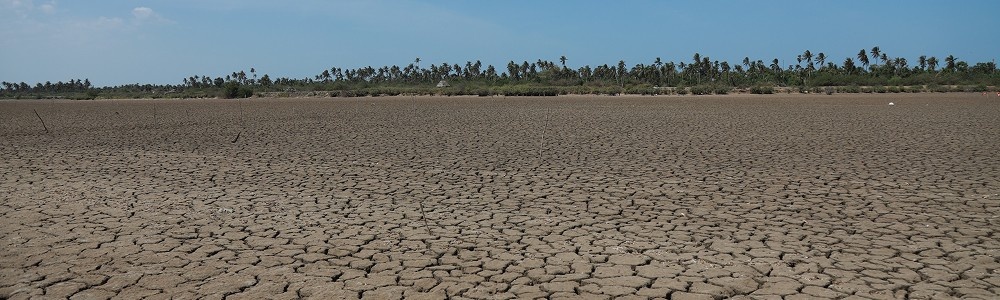
The research focuses on climate-resilient development that brings together climate adaptation and mitigation with sustainable development and biodiversity conservation. It works on urban and infrastructure transitions to accelerate the implementation of the Paris Climate Agreement, as well as climate finance and other enabling conditions to accelerate the implementation of system transitions. Its work also focuses on land, water and ecosystems transitions, and nature-based solutions to enable human well-being and ecosystem health, along with clean energy transitions to enable climate equity and justice.
The work has contributed to three Intergovernmental Panel on Climate Change (IPCC) Assessment Cycles (AR5, AR6 and AR7), including the ongoing IPCC Special Report on Cities and Climate Change, the negotiation of the Paris Climate Agreement and various climate COPs.
Disaster Risk and Resilience
Our work on disaster risk and resilience examines the full disaster cycle (response, recovery, rehabilitation, relocation, and vulnerability reduction) for key hazards, building urban resilience and resilient infrastructure, across local to global landscapes.
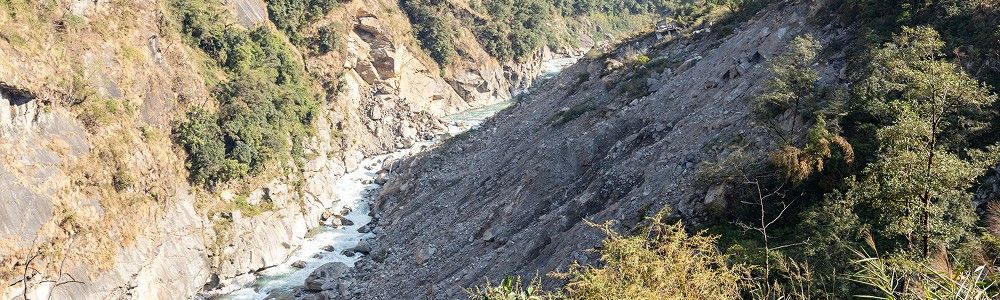
The research focuses on understanding the impact of post-disaster recovery, rehabilitation, resettlement and relocation processes, particularly on vulnerable populations. It works on understanding the long-term impact of disasters on livelihoods, human, and economic development. Its work also focuses on enabling urban multi-hazard resilience, and the planning, financing, and creation of resilient infrastructure systems, as well as enhancing risk governance to address systemic risk and vulnerability.
The work has contributed to the Sendai Agreement, six UNDRR Global Assessment Reports (GAR) on Disaster Risk Reduction and the Coalition for Disaster Resilient Infrastructure (CDRI) report Global Infrastructure Resilience: Capturing the Resilience Dividend
journals


Editorial Board Affiliations
partners
EVENTS
Research Week
An annual convening of urban scholars
IIHS PhD Workshop

IIHS Urban ARC

IIHS Early Career Researcher Workshop
Mentoring young scholars working on urban questions
Publics@IIHS
A platform for dialogue on contemporary urban knowledge and practice

Explore Assets
People
Projects
Publications
Programme Office
For any inquiries or further information, please reach out to research@iihs.ac.in